Crafting Your Ideal Dining Space: Essential Features for Dining Room Furniture
When it comes to creating the perfect dining environment, the furniture you choose plays a pivotal role. Dining rooms are not just spaces for meals; they are where families gather, friends connect, and memories are made. Selecting the right pieces requires a thoughtful approach that considers both function and aesthetics, particularly for discerning homeowners in Gauteng, South Africa, who appreciate a blend of modern and traditional styles.
The process of choosing dining room furniture involves much more than picking a table and chairs. It is about finding items that will enhance your space and reflect your personal taste. With numerous options available, understanding the key features that contribute to quality and style is essential. In this article, we will explore five vital aspects to consider when selecting dining room furniture that meets your needs and elevates your dining experience.
As you embark on this journey, keep in mind the importance of craftsmanship and quality materials. The right dining room furniture not only adds elegance but also ensures durability, making it a worthwhile investment. By focusing on these key features, you can create an inviting and sophisticated dining area that resonates with your lifestyle and enhances your home’s overall aesthetic.
Quality Materials Make a Difference
One of the foremost features to consider when selecting dining room furniture is the quality of materials used in construction. High-quality materials such as solid wood, metal, and premium upholstery not only enhance the aesthetic appeal but also offer longevity. For instance, solid wood tables are often favored for their durability and timeless beauty, while metal accents can provide a modern touch. It's essential to choose materials that can withstand daily use and maintain their appearance over time.
Moreover, understanding the types of wood can help you make a more informed decision. Hardwoods like oak, cherry, and walnut are often more durable compared to softer woods such as pine. These materials can handle the wear and tear of family gatherings and everyday dining without compromising their structural integrity. Investing in furniture made from quality materials is crucial, as it contributes significantly to the overall value of your dining space.
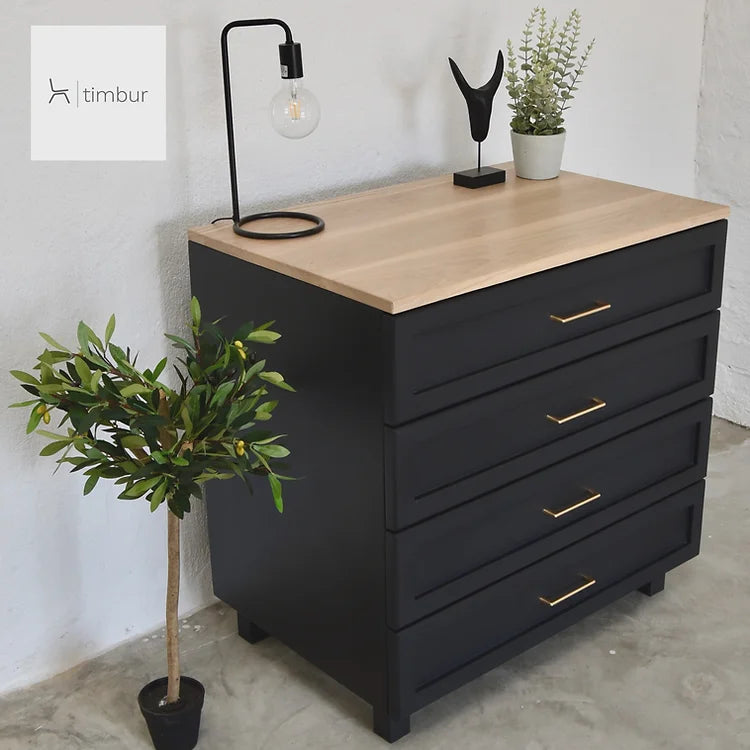
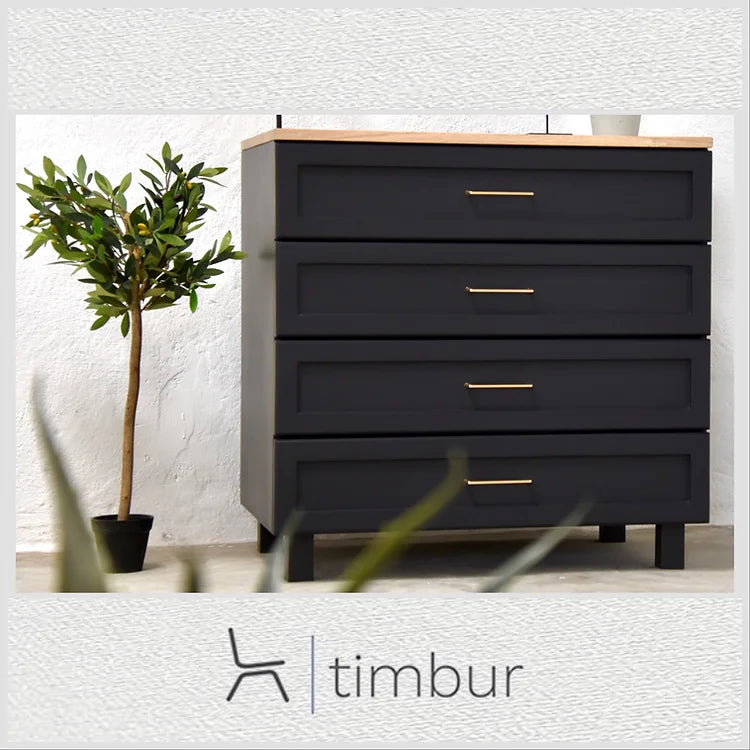
In addition to wood, consider the finishes applied to the furniture. A well-applied finish can protect the surface from scratches, spills, and fading. Look for finishes that are not only appealing but also practical, ensuring that your dining room furniture remains beautiful for years to come. Choosing pieces that combine aesthetic appeal with functionality is vital for creating a lasting impact in your dining area. Timbur handcrafted furniture
Solid Wood vs. Manufactured Wood
When choosing dining room furniture, a common dilemma is whether to opt for solid wood or manufactured wood. Solid wood is known for its sturdiness and natural beauty, making it a preferred choice for many homeowners. Its unique grains and textures provide character and warmth to any dining room. In contrast, manufactured wood, such as plywood or MDF, is often more affordable and can be designed to mimic the look of solid wood. Timbur dining room sets
While manufactured wood can be budget-friendly, it is essential to consider its longevity. Solid wood typically ages well, developing a rich patina over time, whereas manufactured wood may not have the same lifespan. Therefore, if you are looking for pieces that will last and become a staple in your home, solid wood is often the better investment.
Upholstery and Fabric Choices
The choice of upholstery is equally important in your dining room furniture selection. Fabrics like leather, microfiber, and natural fibers all bring different qualities to the table. Leather, for instance, offers sophistication and is relatively easy to clean, making it a practical choice for households with children. On the other hand, natural fabrics like cotton or linen can add a cozy touch but may require more maintenance.

Considering the color and pattern of the upholstery is also key. Neutral tones provide versatility, allowing you to change your decor easily, while bolder patterns can create a statement and enhance the visual interest in your dining space. By selecting upholstery that complements your overall design scheme, you can create a cohesive and inviting atmosphere.
Comfort and Ergonomics
Another critical feature to consider when selecting dining room furniture is the comfort it offers. Ergonomics plays a significant role in ensuring that your dining experience is enjoyable. This includes the height of the table, the depth and width of chairs, and the overall design that supports proper posture. Dining room chairs should provide adequate support and cushioning, allowing guests to sit comfortably for extended periods. custom dining room sets
When evaluating comfort, it’s beneficial to physically test the furniture before purchasing. Sit in the chairs and observe how they feel in relation to the table height. Ideally, there should be enough legroom to allow for easy movement without feeling cramped. Additionally, consider the use of cushions or pads for added comfort, especially if you frequently host dinner parties or family gatherings.
Moreover, keep in mind the overall layout of your dining room. The arrangement of furniture can significantly impact comfort levels. Ensure that there is enough space for movement around the table and that chairs can be pulled out easily without obstruction. A well-planned layout not only enhances comfort but also contributes to a more inviting dining atmosphere.
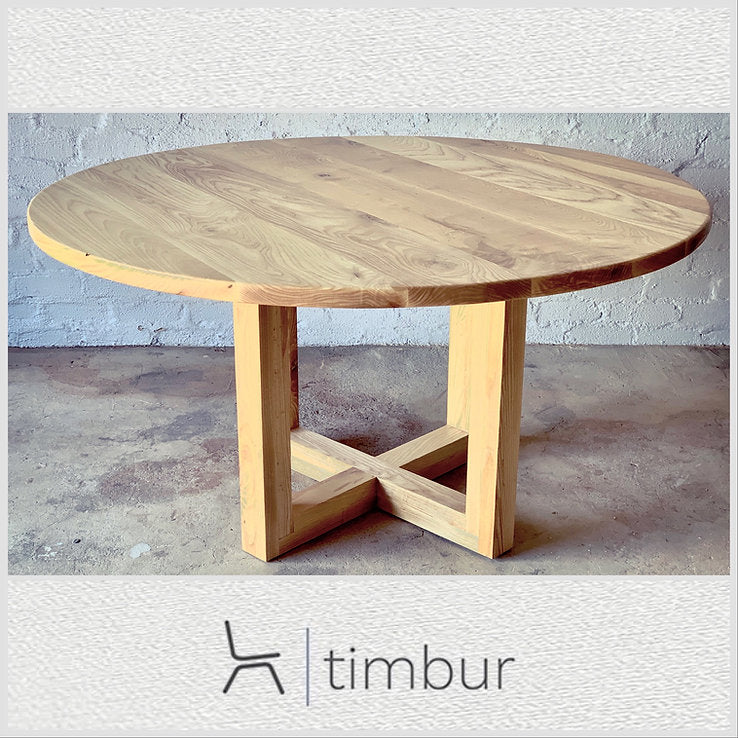
Choosing the Right Table Size and Shape
The size and shape of your dining table are paramount to creating a functional dining area. Tables come in various shapes, including rectangular, round, and square, each offering unique advantages. For larger spaces, a rectangular table can accommodate more guests, while round tables are ideal for smaller areas as they promote conversation and intimacy.
Furthermore, it's essential to consider the size of the table in relation to the room dimensions. A table that is too large can overwhelm the space, whereas a table that is too small can make it feel sparse. As a rule of thumb, allow at least 36 inches of clearance around the table for comfortable movement. This ensures that your dining area remains functional and inviting.
Flexible Furniture Options
In today’s dynamic living environments, having flexible furniture options can be incredibly beneficial. Extendable tables are a fantastic solution for those who often entertain guests but may not require a large table on a daily basis. These tables can be adjusted to fit the number of diners while maximizing space efficiency.
Moreover, consider stackable or foldable chairs that can be easily stored when not in use. This versatility allows you to adapt your dining space to suit various occasions, whether it’s a quiet family dinner or a lively gathering with friends. The ability to reconfigure your dining area as needed enhances functionality and makes the space more enjoyable.
Style and Aesthetic Appeal
The style of your dining room furniture is crucial in creating a cohesive look that reflects your personal taste. From modern minimalism to rustic charm, the design elements you choose can set the tone for your entire dining space. Consider the existing decor of your home and select furniture that harmonizes with your overall aesthetic.
When exploring styles, pay attention to details such as the design of table legs, chair backs, and finishes. These elements can dramatically influence the visual impact of your dining area. For example, mid-century modern designs may feature clean lines and organic shapes, while traditional styles often incorporate ornate details and rich finishes.
In addition, color plays a significant role in the aesthetic appeal of dining furniture. Neutral tones provide flexibility, while bolder hues can serve as focal points. Consider how the color palette interacts with the rest of your space, ensuring a seamless transition between rooms. By thoughtfully selecting styles and colors, you can create a dining area that is both beautiful and inviting.
Incorporating Personal Touches
Adding personal touches to your dining room furniture can elevate the space and make it uniquely yours. This could include custom upholstery, unique table designs, or even handmade pieces that tell a story. Incorporating elements that reflect your personality and interests can create a warm and welcoming environment.
Consider adding decorative elements such as centerpieces, placemats, or artwork that complements your furniture. These accents can tie the room together and enhance the overall atmosphere. By personalizing your dining space, you create an inviting environment that resonates with family and friends.
Balancing Trends with Timelessness
While it’s exciting to follow the latest trends in dining room design, it’s essential to balance these with timeless pieces. Investing in classic designs ensures that your furniture will remain stylish for years to come, even as trends shift. Look for pieces that feature enduring materials and designs that won’t easily go out of style.
Incorporating trendy elements can be achieved through accessories and decorative items rather than the main furniture pieces. This way, you can keep your dining area fresh and updated without compromising on quality. By creating a balance between contemporary trends and classic styles, you can enjoy a dining space that is both fashionable and functional.
Table of Key Features and Considerations
| Feature | Importance | Considerations |
|---|---|---|
| Quality Materials | Enhances durability and aesthetic appeal | Solid wood vs. manufactured wood choices |
| Comfort and Ergonomics | Ensures enjoyable dining experience | Test chair height and support |
| Table Size and Shape | Affects functionality and space utilization | Consider room dimensions for optimal fit |
| Style and Aesthetic | Reflects personal taste and complements decor | Choose colors and designs that harmonize |
| Flexibility | Adapts to different occasions | Look for extendable or stackable options |
This table summarizes the key features to consider when selecting dining room furniture, highlighting their importance and the factors to keep in mind. By using this guide, you can make well-informed decisions that enhance both style and functionality in your dining space.
Pros and Cons
- Pros:
- Durability: Quality dining room furniture made from solid materials can last for generations, providing excellent value for money over time.
- Style Versatility: Well-chosen pieces can complement various decor styles, enhancing the overall aesthetic of your home.
- Comfort: Ergonomically designed furniture can significantly enhance the dining experience, making mealtimes more enjoyable.
- Personalization: Customizable options allow homeowners to create a unique space that reflects their personality and style preferences.
- Cons:
- Cost: High-quality dining room furniture can be a significant investment, which may not fit everyone's budget.
- Maintenance: Some materials may require regular upkeep to maintain their appearance and functionality.
- Space Constraints: Large dining sets may not be suitable for smaller spaces, leading to cramped dining experiences.
When weighing the pros and cons of investing in quality dining room furniture, it’s essential to consider both the immediate benefits and long-term implications. While the initial cost may be higher, the durability and style can lead to significant savings and satisfaction over the years. Additionally, the importance of comfort and personalization cannot be overstated, as these factors directly impact the enjoyment of your dining space.
Frequently Asked Questions
- What materials are best for dining room furniture?
The best materials for dining room furniture include solid wood, metal, and high-quality upholstery. Solid wood offers durability and a timeless look, while metal can add a modern touch. When selecting upholstery, consider fabrics that are durable and easy to clean, especially for families with children.
- How do I choose the right dining table size?
To choose the right dining table size, measure your dining area and allow for at least 36 inches of clearance around the table for comfortable movement. Consider how many guests you typically host and select a table that accommodates that number without overwhelming the space.
- What are the benefits of extendable dining tables?
Extendable dining tables offer flexibility, allowing you to adjust the size based on the number of guests. They are ideal for homes that host small family dinners and larger gatherings, maximizing space efficiency without compromising style.
Conclusion
Creating the perfect dining space involves careful consideration of several key features when selecting furniture. From quality materials and comfort to style and flexibility, each aspect plays a critical role in the overall functionality and aesthetic appeal of your dining area. By focusing on these features, you can curate a dining space that not only meets your practical needs but also reflects your personal style.
Investing in high-quality dining room furniture is a decision that pays off in the long run, ensuring durability and timeless elegance. Remember to consider your unique lifestyle and preferences, as these will guide your choices and help you create an inviting environment for family and friends. Ultimately, your dining room should be a place of connection, comfort, and joy, and the right furniture is essential in achieving that vision.


No comments:
Post a Comment